
Swimming Pool Care Guide
The Complete Pool Maintenance Guide for Homeowners
Pool maintenance gets much easier once you stop treating every task like an emergency. Keep the water moving, remove debris, maintain the filter, test the chemistry, and catch equipment problems early. Here's a simple routine for keeping your pool clean, clear, and ready to use.
Start With the Basics
Good Pool Care Comes Down to Five Things
You don't need to memorize an encyclopedia of pool terminology. Most routine pool maintenance fits into five connected systems. Get these right and most pool problems become much easier to prevent.
1. Circulation
The pump moves water through the skimmer, plumbing, filter and sanitation system before returning it to the pool. Stagnant water is much harder to keep clean.
2. Filtration
The filter removes suspended dirt and debris that would otherwise remain in the water. A dirty filter reduces flow and cleaning performance.
3. Physical Cleaning
Skimming, brushing and vacuuming remove material before it stains surfaces, feeds algae or uses up sanitizer.
4. Water Testing
Testing tells you what the water actually needs instead of relying on appearance or guessing how much chemical to add.
5. Water Balance
Sanitizer, pH, alkalinity, calcium hardness and stabilizer all influence swimmer comfort, sanitation and equipment protection.
The simplest maintenance rule
Don't wait until the pool looks bad. Preventive maintenance is usually faster and cheaper than recovering from cloudy water, heavy algae or equipment failure.
Start With the Basics
Good Pool Care Comes Down to Five Things
You don't need to memorize an encyclopedia of pool terminology. Most routine pool maintenance fits into five connected systems. Get these right and most pool problems become much easier to prevent.
1. Circulation
The pump moves water through the skimmer, plumbing, filter and sanitation system before returning it to the pool. Stagnant water is much harder to keep clean.
2. Filtration
The filter removes suspended dirt and debris that would otherwise remain in the water. A dirty filter reduces flow and cleaning performance.
3. Physical Cleaning
Skimming, brushing and vacuuming remove material before it stains surfaces, feeds algae or uses up sanitizer.
4. Water Testing
Testing tells you what the water actually needs instead of relying on appearance or guessing how much chemical to add.
5. Water Balance
Sanitizer, pH, alkalinity, calcium hardness and stabilizer all influence swimmer comfort, sanitation and equipment protection.
The simplest maintenance rule
Don't wait until the pool looks bad. Preventive maintenance is usually faster and cheaper than recovering from cloudy water, heavy algae or equipment failure.
Simple Maintenance Schedule
What to Check Daily, Weekly, Monthly & Seasonally
Your exact schedule will vary with weather, swimmer load, pool type and equipment, but this gives you a practical rhythm instead of waiting for something to go wrong.
| Frequency | Main Tasks | Why It Matters |
|---|---|---|
| Daily / Frequently | Check water appearance, circulation and obvious debris; monitor chlorine and pH frequently | Catches chemistry or equipment problems early |
| Weekly | Skim, brush, vacuum, empty baskets, test water and check water level | Prevents debris buildup, algae and circulation problems |
| Monthly / As Needed | Inspect equipment and filter pressure; clean or backwash filter when required | Protects flow and equipment efficiency |
| Seasonally | Inspect equipment thoroughly, open or winterize correctly, and evaluate worn components | Prepares the system for changing weather and usage |
Heavy use changes the schedule
A weekend full of swimmers, a major storm, high heat, falling leaves or an algae problem may require more frequent testing, cleaning and filtration than your normal routine.
Circulation
Your Pool Pump Is Doing More Than Moving Water
Circulation carries water through the filter and sanitation system and helps distribute treated water throughout the pool. Poor circulation can leave dead spots where debris and algae become harder to control.
Keep Baskets Clear
Check skimmer and pump baskets regularly. Leaves and debris restrict flow and make the pump work harder.
Watch the Return Jets
Weak return flow can indicate a clogged basket, dirty filter, plumbing restriction or other circulation problem.
Maintain the Correct Water Level
Water that is too low can cause the skimmer to draw air. Water that is too high can reduce effective skimming. Maintain the level recommended for your pool and skimmer.
Use the Right Pump Schedule
There is no universal runtime that fits every pool. Pump size, pool volume, weather, equipment, sanitation system and variable-speed settings all affect the appropriate schedule.
Weekly Cleaning
Skim, Brush & Vacuum Before Debris Becomes a Bigger Problem
Leaves and dirt aren't only ugly. Organic debris can consume sanitizer, stain surfaces and settle into areas where algae is more likely to grow. A short weekly cleaning routine goes a long way.
Skim the Surface
Remove leaves, insects and floating debris before they sink. During heavy leaf season, this may need to happen much more often than weekly.
Brush the Pool
Brush walls, steps, corners, benches, ledges and other areas where circulation may be weaker. Use a brush appropriate for your pool surface.
Vacuum the Floor
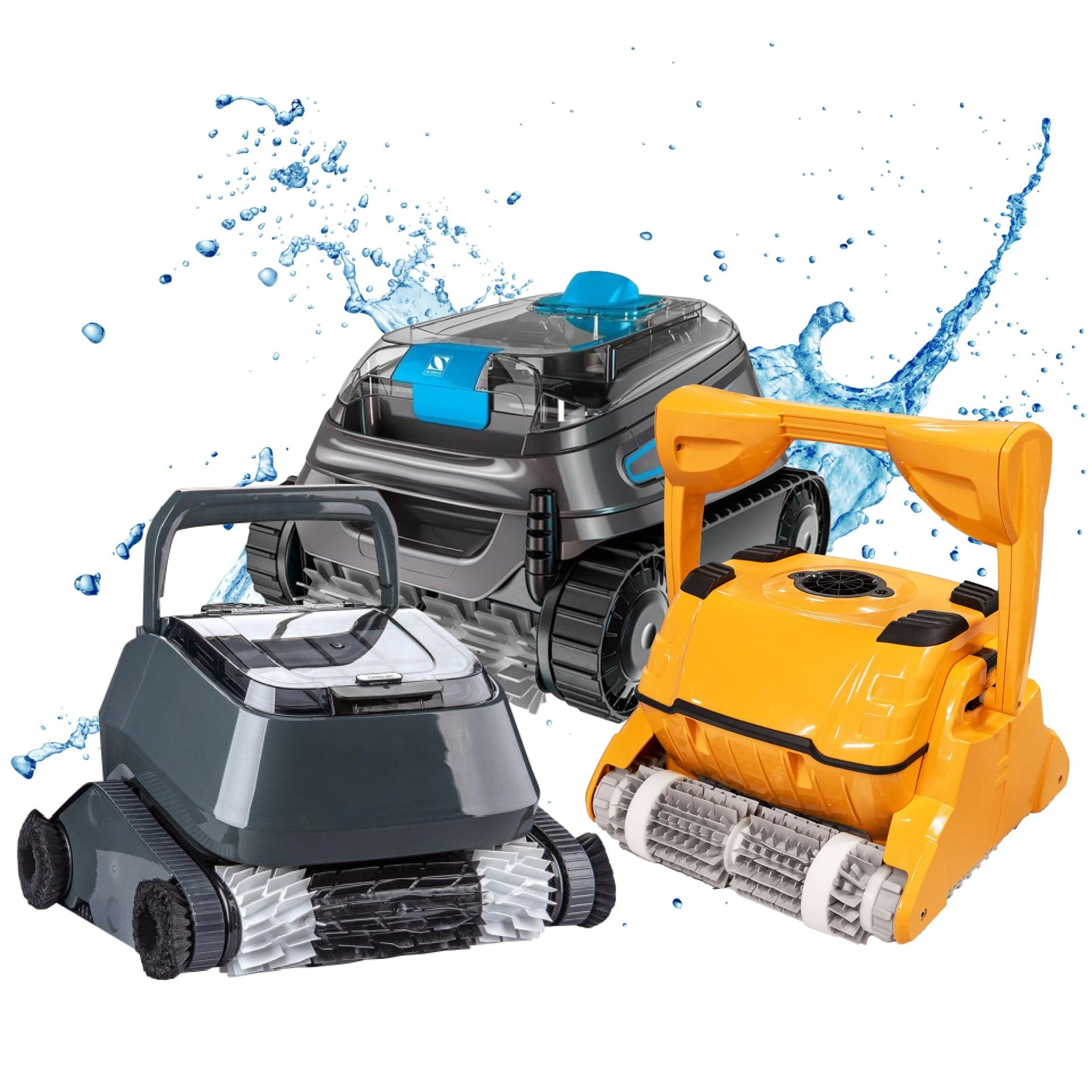
Remove settled dirt and debris with a manual or automatic cleaner. Robotic cleaners can reduce the workload, but they do not eliminate the need to occasionally inspect and brush problem areas.
Clean Around Steps & Ladders
Pay attention to tight spaces behind ladders, around fittings and near steps where debris can hide and automatic cleaners may not reach well.
Filtration
A Dirty Filter Can Make the Whole Pool Harder to Maintain
Your filter traps suspended material that vacuuming and skimming cannot catch. As debris accumulates, resistance rises and water flow can decrease. Learn what “clean pressure” looks like for your system.
Cartridge Filter
Remove and rinse cartridges when pressure or performance indicates cleaning is needed. Inspect pleats and end caps for damage and replace worn cartridges according to manufacturer guidance.
Sand Filter
Backwash when filter pressure and manufacturer instructions indicate it is necessary. Sand eventually loses filtration performance and requires replacement.
D.E. Filter
Diatomaceous-earth filters require proper backwashing or cleaning and replacement of the D.E. media. Follow the exact manufacturer's procedure for your model.
Pressure Gauge
Record your filter's pressure immediately after a proper cleaning. That becomes the baseline you can use to recognize when flow is becoming restricted.
Don't clean solely because the calendar says so
Filter type, pool use, weather and debris load all change how quickly a filter becomes dirty. Pressure readings and manufacturer recommendations are better indicators than an arbitrary date.
Preventive Maintenance
Take Five Minutes to Look at the Equipment
Small leaks, strange sounds and declining water flow are easier to address when they first appear than after equipment stops working. A quick equipment-pad inspection should become part of your routine.
Never service pressurized equipment casually
Pool filters and circulation systems can remain under pressure. Turn equipment off and follow the manufacturer's depressurization and servicing instructions before opening a filter or performing repairs. If you're unsure, call a qualified pool professional.
When Conditions Change
Your Pool Doesn't Need the Same Maintenance Every Week
Weather and swimmer load can change water conditions quickly. After unusually heavy use or severe weather, check the pool instead of assuming the normal schedule will cover it.
After Heavy Swimming
Test sanitizer and pH, empty baskets and look at the water clarity. More swimmers introduce more organic material for the sanitizer and filtration system to handle.
After Heavy Rain
Check the water level and chemistry. Rainwater and runoff can alter water balance and introduce debris into the pool.
During Extreme Heat
Warm weather, intense sunlight and increased swimming can raise sanitizer demand. Test more frequently rather than assuming last week's routine still fits.
During Leaf Season
Skimmer baskets and cleaners may fill much faster. Remove organic debris before it sinks or begins consuming sanitizer.
Saltwater Pools
Saltwater Is More Automated — Not Maintenance-Free
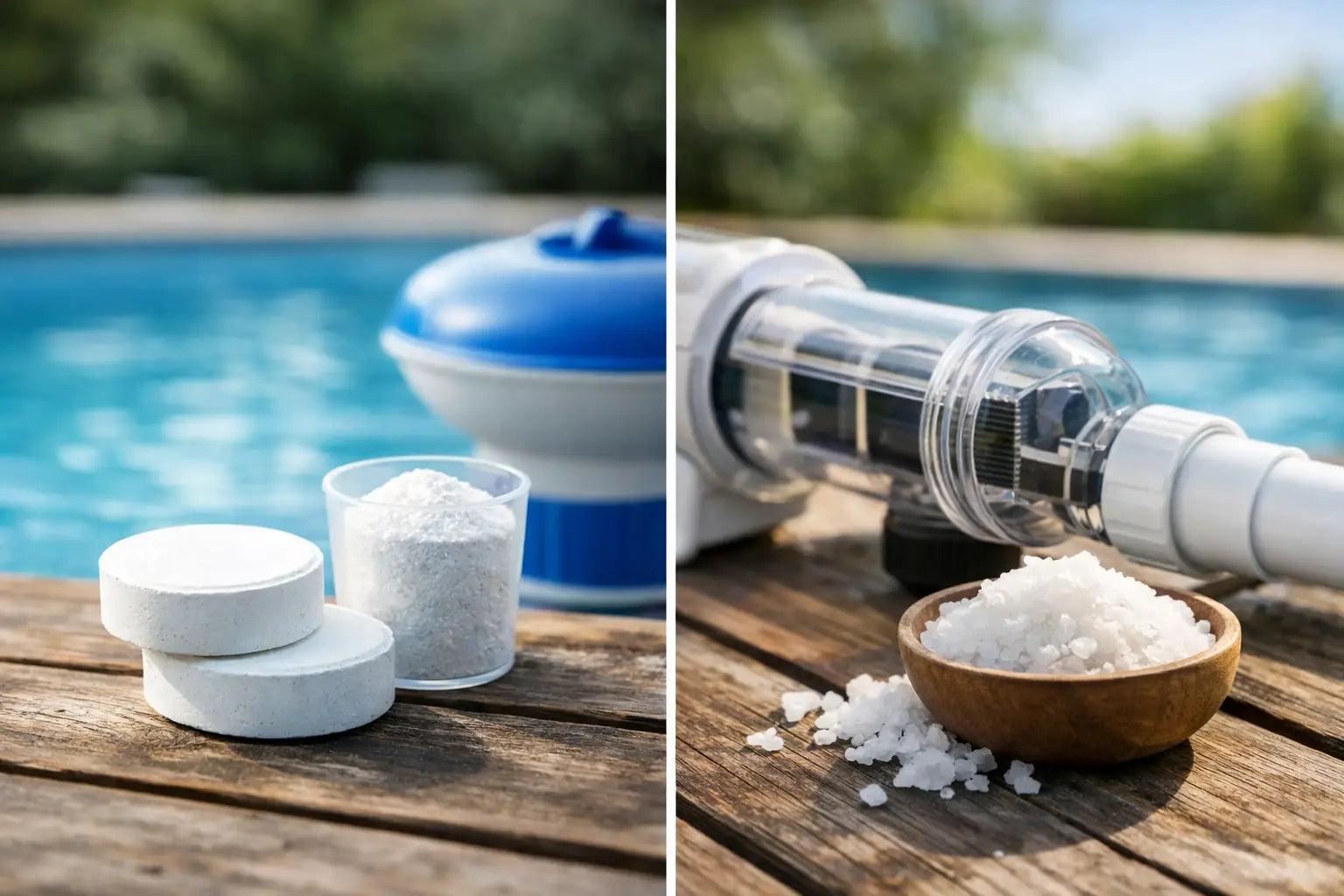
A salt chlorine generator handles much of the routine chlorine production, but the rest of the pool still needs circulation, filtration, cleaning, chemistry testing and equipment maintenance.
The generator only handles part of the job
Saltwater systems can reduce manual chlorine dosing, but they don't vacuum leaves, clean the filter, balance every chemistry parameter or diagnose equipment problems.
Avoid These Habits
Common Pool Maintenance Mistakes
Most expensive pool problems don't begin dramatically. They usually start as a small maintenance issue that keeps getting ignored.
Know When DIY Stops Making Sense
Some Pool Problems Are Better Left to a Professional
Routine skimming and testing are approachable for many homeowners. Electrical, gas, pressurized equipment and persistent water problems are different. Knowing when to stop troubleshooting is part of maintaining the pool responsibly.
Save This Routine
A Simple Weekly Pool Maintenance Checklist
If you're new to pool ownership, start here. A consistent twenty or thirty minutes throughout the week is usually much easier than spending an entire Saturday rescuing a neglected pool.
Keep a simple maintenance log
PHTA recommends tracking water tests and maintenance activity. Even a basic note on your phone makes it much easier to recognize patterns in chlorine demand, pH movement, filter pressure and equipment behavior.
Maintenance Safety
Treat Pool Chemicals With Respect
Pool chemicals are useful because they're reactive. That is also why careless storage or mixing can cause serious injuries. Read the complete product label every time you use a chemical.
Follow the label — not a social-media recipe
Chemical concentrations and formulations vary. Use your water-test results and the manufacturer's instructions rather than copying an unlabeled dosage or chemical combination from someone else's pool.
The Bottom Line
Consistency Beats Pool-Care Heroics
Maintaining a pool doesn't have to consume your weekend.
Keep the water circulating, remove debris before it becomes a problem,
clean the filter when the system needs it, test the water regularly,
and pay attention when equipment starts behaving differently.
Most importantly, make small corrections early.
A few leaves, a drifting pH level or a slightly dirty filter are
easy to handle. The same problems become much more expensive
after they're ignored for several weeks.
The best maintenance routine is the one you can follow consistently
throughout the swimming season.
Keep Your Pool Running Right
Need Help With Pool Maintenance in West Tennessee?
Explore local pool cleaning and service companies or continue learning with practical guides covering equipment, water care, pool buying decisions, and backyard ownership.




Leave A Comment